
The Jennifer Hudson Show opened its extended conversation with an unusual blend of warmth, reflection, and political intensity. The daytime setting created room for a more personal portrait of a leader often surrounded by cameras and formal expectations.
The conversation began by recognizing a historic journey and the responsibilities connected to national service. However, the discussion soon moved beyond public achievements and into the private moments that shape daily life.
The vice president described how visibility can change even the simplest routines. Activities once considered ordinary can become carefully planned experiences when every movement attracts public attention.
She reflected on missing moments that many people rarely notice until they disappear. Walking freely, driving independently, and enjoying quiet spaces became symbols of a previous normal life.
The interview explored the contrast between carrying national responsibilities and maintaining personal identity. Behind official duties, she remains someone who values familiar places, relationships, and peaceful time away from attention.
One of the most memorable parts of the conversation focused on Sunday family dinners. She described the tradition as a dependable source of connection during demanding periods.
The dinners represented more than food placed on a table during a busy week. They offered a sense of routine, belonging, and continuity when schedules became unpredictable.
Family traditions often become more meaningful during moments of major change. For the vice president, those gatherings provided a reminder of the relationships that existed before public office.
The discussion revealed how personal rituals can protect a sense of identity. Even with constant responsibilities, familiar traditions can create moments of stability.
Cooking also became an important theme during the conversation. She shared her enjoyment of preparing meals and keeping family recipes connected across generations.
That lighter discussion brought balance to an interview filled with serious national topics. It showed a side of leadership rarely seen during official appearances.
The conversation highlighted the challenge of balancing private values with public expectations. Every statement and decision can carry additional meaning when someone holds a highly visible position.
The interview later shifted toward major issues affecting families across the country. Health care and government policy became central topics as the discussion moved into broader debates.
She shared her perspective on women’s health care and personal decision-making. The conversation focused on the importance of trust between individuals and medical professionals.
The discussion acknowledged that Americans hold different opinions on complex issues. It explored how public leaders navigate those disagreements while addressing deeply personal concerns.
The vice president emphasized the importance of allowing people to make informed choices about their circumstances. The topic reflected larger conversations happening across communities nationwide.
Another major focus involved unequal maternal health outcomes. She discussed concerns affecting Black women, Native women, and people living in rural communities.
The conversation examined the need for stronger care systems and improved support networks. She highlighted efforts involving provider training, awareness, and broader access to resources.
Those policy discussions added another emotional layer to the interview. Personal stories and national challenges existed together throughout the extended conversation.
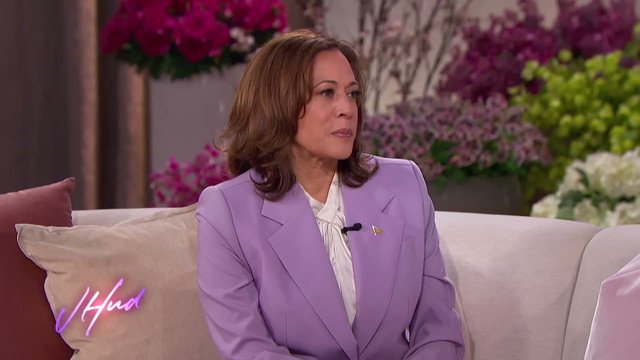
Jennifer Hudson created an environment where difficult subjects could be discussed with openness. Her questions allowed space for both policy explanations and personal reflections.
The format encouraged a more intimate exchange than a traditional political interview. Viewers saw moments of humor, honesty, and thoughtful consideration.
The vice president also returned to the challenge of maintaining normal routines while serving in office. Public attention can transform everyday activities into complicated experiences.
The desire for ordinary moments became a repeated theme throughout the conversation. It showed how leadership often involves sacrifices that remain invisible to the public.
The discussion about family traditions created a powerful contrast with national debates. A Sunday dinner could represent stability during a period filled with constant demands.
Cooking and family memories became examples of small experiences that preserve connection. Those details helped create a fuller picture beyond headlines and official statements.
The interview presented leadership as both a public responsibility and a personal journey. It showed how major decisions exist alongside ordinary emotions and family commitments.
The extended format allowed the conversation to develop slowly through stories and reflections. Instead of moving quickly between topics, it gave each subject room to breathe.
The vice president’s comments revealed the complexity of living between two worlds. One world involves national decisions, while another centers on home, relationships, and personal traditions.
The interview also examined the human side of public service. Behind major policy discussions are individuals managing responsibilities, relationships, and personal changes.
Hudson’s approach helped connect those two sides naturally. She created moments where leadership and personal experience appeared together without feeling separated.
The result was a conversation that moved between history and everyday life. It explored what it means to serve publicly while preserving important personal connections.
Throughout the interview, the audience received a view of leadership that extended beyond formal speeches. The conversation focused on the person behind the position and the experiences shaping that perspective.
The family dinner tradition became a symbol of balance and resilience. It represented a familiar place where public pressures could temporarily give way to personal connection.
The health care discussion showed another side of leadership. It demonstrated how national debates often involve personal experiences, family concerns, and difficult decisions.
The conversation also reflected the challenge of representing many different communities. Public officials must address competing viewpoints while searching for practical solutions.
The vice president discussed communities facing serious health challenges and the importance of improving systems. Her comments emphasized awareness, preparation, and continued efforts to support families.
The interview avoided presenting leadership as a simple success story. Instead, it showed the ongoing tension between responsibility, expectations, and personal priorities.
The conversation revealed that historic roles can create unique challenges. Moments that once belonged only to family life can become connected to public responsibility.

Yet the discussion also showed the importance of preserving those moments. Traditions can remain powerful sources of strength even during demanding times.
Hudson’s interview style helped bring emotional depth to familiar political subjects. Her questions created a space where memories and policies could exist side by side.
The audience encountered a broader understanding of what public service requires. The conversation showed that leadership includes both visible decisions and private sacrifices.
The vice president’s reflections on family dinners created one of the interview’s strongest emotional connections. The simple tradition carried meaning because it represented continuity.
Those Sunday gatherings offered a reminder of life beyond official duties. They showed the importance of maintaining relationships despite schedules shaped by public demands.
The conversation also highlighted how personal interests can provide balance. Cooking, family memories, and quiet routines became examples of grounding experiences.
By exploring those details, the interview moved beyond political headlines. It presented a layered portrait of someone managing national responsibilities while protecting personal connections.
The extended discussion allowed viewers to see different parts of the same story. Public leadership and private life were presented as connected rather than separate.
The interview created moments of reflection about the meaning of service. It considered how individuals adapt when their lives become part of a larger public conversation.
The vice president described experiences familiar to many people facing major life changes. The difference was the extraordinary level of attention surrounding those experiences.
The conversation carried a sense of tension between what is gained and what is lost. Public achievements can come alongside personal adjustments that require patience.
Still, the interview emphasized connection as a continuing source of strength. Family traditions remained important despite the demands surrounding her role.
The discussion closed with a broader look at identity and responsibility. It combined personal memories, policy concerns, and reflections on a demanding position.
The final moments left viewers with a more complete understanding of leadership. The conversation showed both the weight of service and the importance of everyday relationships.
Through discussions of family dinners, health care, and public life, the interview created a layered narrative. It connected national conversations with personal experiences that many viewers could understand.
The result was a portrait of a leader navigating two realities at once. One involves public expectations, while the other depends on familiar traditions and personal connections.
The conversation reminded audiences that historic roles are carried by individuals with ordinary needs and emotions. Even powerful positions cannot remove the importance of family, comfort, and routine.
The interview’s lasting impression came from its balance. It combined serious national issues with personal reflections that revealed a quieter side of leadership.
By the conclusion, the discussion had become more than a political conversation. It became an exploration of identity, service, family values, and the search for normal moments.
The extended interview offered viewers a different perspective on public responsibility. It showed the ongoing effort to balance duty with the relationships that provide stability.